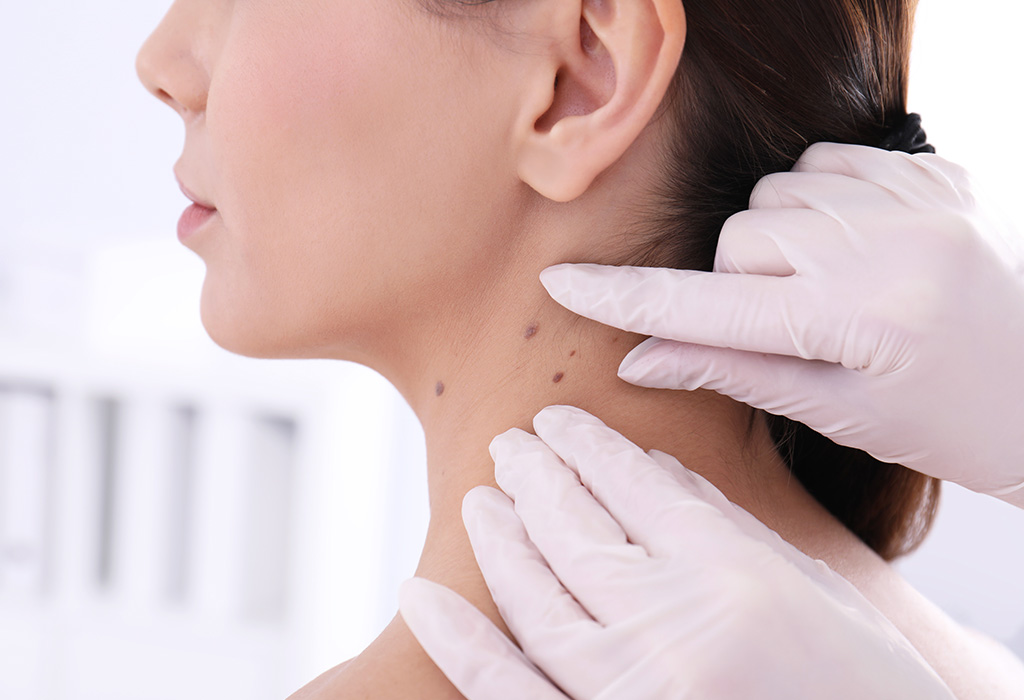
What Is Mole / Tag Removal?

Reveal clearer, smoother skin with our Mole and Skin Tag Removal treatment, a gentle and effective procedure designed to remove unwanted moles, skin tags, or small benign growths. These common skin concerns can develop anywhere on the body and may cause irritation, discomfort, or cosmetic frustration. Our skilled providers use advanced, precise techniques to safely remove them with minimal discomfort and virtually no scarring. Each treatment is customized to your skin type and needs, ensuring natural-looking, seamless results.

Following your procedure, healing is typically quick with little to no downtime, allowing you to return to your normal activities right away. Whether you’re seeking treatment for aesthetic reasons or to relieve irritation from clothing or jewelry, mole and skin tag removal restores a smooth, even complexion and renewed confidence. Experience professional, medical-grade care that enhances your skin’s appearance and comfort with beautiful, lasting results.

If you have any questions about our services, please contact today at (843) 669-2220.

Mole / Tag Removal

Florence SC + Hartsville SC

Mole / Tag Removal
Mole Tag Removal Near Florence SC

Treatment Type

Body Treatments

What Mole / Tag Removal Treats

This service removes unwanted moles or tags. This can be done anywhere on the body.

Mole / Tag Removal Benefits

This service is designed for patients who wish to remove moles or other discolored markings. This service can also be used to remove flesh toned skin tags.

Complementary Treatments

Downtime

Downtime is minimal. Patient should expect some discomfort for 24 hours.

Number of Treatments

Consultation required. Typically one treatment.

Mole / Tag Removal FAQs

Moles (nevi) are pigmented skin growths that can be flat or raised and can vary in color. Skin tags are small, soft, benign growths that typically hang off the skin by a thin stalk.

People choose to have moles and skin tags removed for various reasons, including:

  • Cosmetic concerns: Moles and skin tags may be considered unsightly.
  • Irritation: Skin tags can become irritated when they rub against clothing or jewelry.
  • Potential for injury: Raised moles or skin tags can be accidentally scratched or torn.

Moles and skin tags can be removed through various methods, including:

  • Excision: Surgically cutting out the growth and closing the wound with sutures.
  • Shave excision: Using a scalpel or razor to shave off the raised portion of the growth.
  • Electrosurgery or cauterization: Using an electrical current to burn off the growth.

Mole and skin tag removal procedures are typically done with local anesthesia to minimize pain and discomfort. Patients may feel a slight pinch or pressure during the procedure, but any discomfort is usually mild and short-lived.

Mole and skin tag removal procedures are generally considered safe when performed by qualified healthcare professionals. However, there is always a risk of infection, scarring, or other complications, so it's important to have the procedure done by an experienced provider.

Recovery after mole and skin tag removal is usually straightforward. The treated area may be slightly sore or swollen for a few days, and there may be some scabbing or crusting. It's important to follow post-operative care instructions provided by your healthcare provider to ensure proper healing.

Moles are typically pigmented, flat or raised, and may vary in color and size. Skin tags are usually flesh-colored or slightly darker, soft to the touch, and often hang off the skin by a narrow stalk.

Risks and side effects of mole and skin tag removal can include infection, scarring, bleeding, or changes in pigmentation. Your healthcare provider will discuss these risks with you during the consultation.

Good candidates for mole and skin tag removal are individuals who have benign growths that are bothersome, cosmetically concerning, or causing irritation. It's essential to consult with a qualified healthcare provider to determine the most appropriate removal method and ensure the growth is benign.